
How to Choose the Right Crystal Energy for Your Needs and Intuition
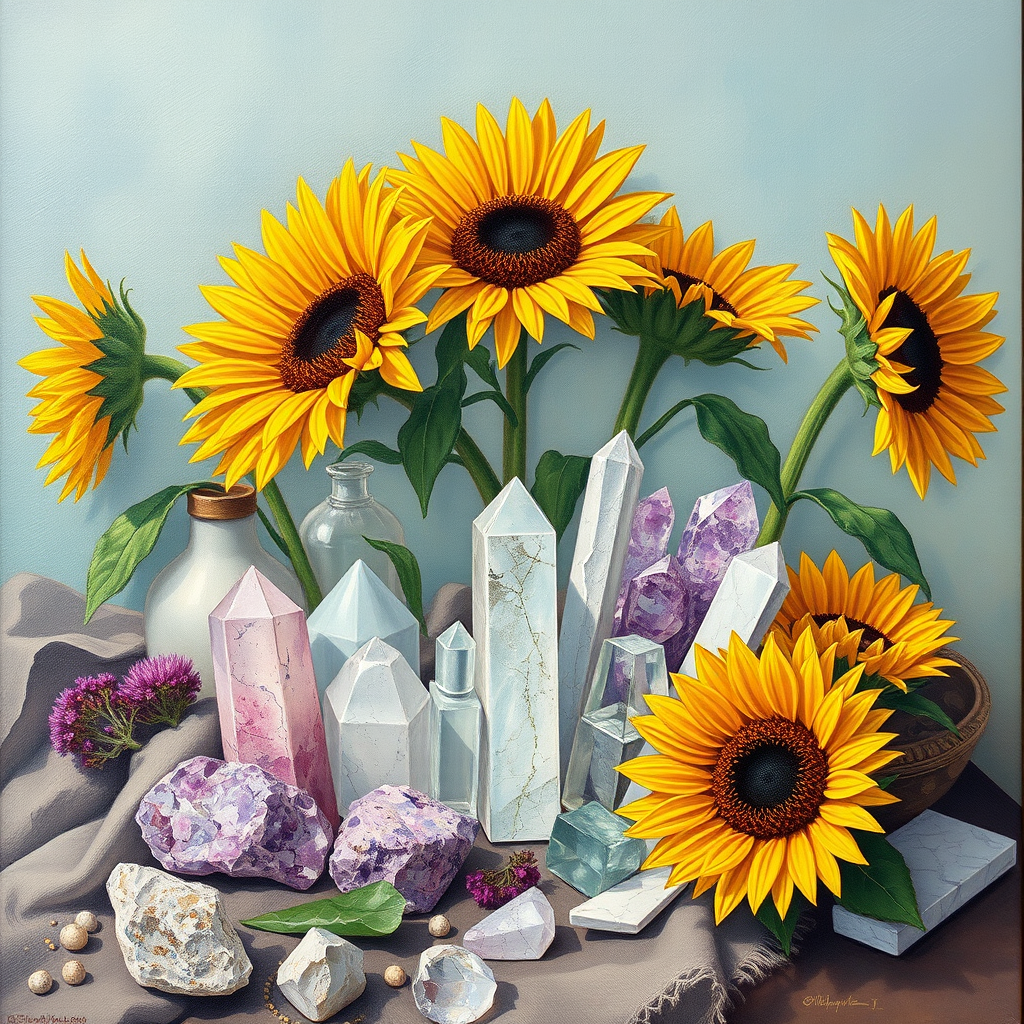
Standing in front of a tray of crystals can feel surprisingly personal. One stone catches the light. Another feels calming in your hand. A third seems beautiful, but somehow not quite right.
That response matters.
Choosing crystals is often less about memorizing meanings and more about noticing what draws you in. Traditional crystal practices connect different stones with different qualities, such as clarity, grounding, courage, love, protection, or rest. Yet the most useful crystal is not always the one a book recommends. It is the one that feels aligned with your current season, your needs, and your inner sense of yes.
This guide will help you understand common crystal energies, choose stones with intention, and test how they feel through meditation, touch, and personal reflection.

Crystal energy begins with both tradition and personal experience
Crystals have been used in spiritual, decorative, and ritual practices across many cultures for a long time. In modern crystal work, people often describe each stone as having a certain “energy.” That may mean a symbolic meaning, an emotional association, a sensory response, or a focus point for intention.
For example, someone might hold amethyst during meditation because they associate it with calm. Another person might keep citrine near a journal because it reminds them to take creative action. The stone becomes a physical anchor for a quality they want to call in.
There is no single correct way to feel crystal energy. Some people notice warmth, tingling, heaviness, or ease. Others notice memories, emotions, colors, or a simple sense of attraction. Some do not feel much physically, but still enjoy the stone as a meaningful reminder.
A balanced approach helps. Crystals can be supportive tools for reflection, ritual, and mindfulness. They should not replace medical care, mental health support, or practical action when those are needed.
The goal is to explore with curiosity. If a crystal helps you pause, breathe, set an intention, or reconnect with yourself, that experience is worth honoring.
Different crystals are associated with different qualities
Crystal meanings can vary between traditions, teachers, and personal practice. Still, many popular stones have common associations. Use these as a starting point, then let your own response guide you.
Crystal | Common energy association | Helpful when you want |
Clear quartz | Clarity, focus, amplification | A simple all-purpose stone for intention setting |
Amethyst | Calm, intuition, spiritual awareness | Quiet reflection, rest, or meditation support |
Rose quartz | Compassion, softness, emotional healing | More kindness toward yourself or others |
Citrine | Confidence, creativity, abundance | Motivation, optimism, or fresh energy |
Black tourmaline | Grounding, protection, energetic boundaries | A steadier feeling in busy or heavy spaces |
Smoky quartz | Release, grounding, emotional steadiness | Help letting go of tension or old patterns |
Carnelian | Vitality, courage, creative fire | More movement, passion, or confidence |
Selenite | Cleansing, peace, spiritual clarity | A lighter, clearer feeling in your space |
Lapis lazuli | Truth, wisdom, self-expression | Speaking clearly or trusting your insight |
Green aventurine | Growth, luck, heart-centered action | New opportunities or gentle forward motion |
These meanings are not rules. Think of them as invitations.
If you are drawn to amethyst but want confidence, that does not mean you have chosen wrong. The stone may be supporting confidence in a quieter way, perhaps by helping you feel calm enough to trust yourself. If black tourmaline feels too heavy, even though you want grounding, smoky quartz or hematite may feel better.
The right crystal energy often feels supportive, not forced.

Your needs and goals can point you toward the right stone
Before choosing a crystal, pause and ask what kind of support you are seeking. A clear need makes selection easier.
Try asking:
What emotion do I want more of right now?
What do I feel ready to release?
Where do I need support in daily life?
What goal am I moving toward?
What quality would help me feel more balanced?
Then match that intention with a crystal family or traditional meaning.
Choose grounding crystals when life feels scattered
Grounding stones are often darker, denser, or earthy in appearance. They are commonly used when the mind feels busy or the body feels unsettled.
Good options include:
Black tourmaline
Often chosen for energetic boundaries and protection
Smoky quartz
Helpful for release, steadiness, and calming mental noise
Hematite
Associated with focus, structure, and feeling present
A grounding crystal can be useful near the front door, beside your bed, or in a pocket during a long day.
Choose heart-centered crystals when you need softness
Heart-centered stones are often pink or green, though color is not the only guide. These crystals are commonly connected with compassion, healing, and emotional openness.
Good options include:
Rose quartz
A gentle stone for self-love, care, and tenderness
Rhodonite
Often associated with emotional balance and forgiveness
Green aventurine
Linked with growth, renewal, and hopeful movement
These stones may feel supportive during journaling, after conflict, or when practicing self-kindness.
Choose bright and fiery crystals when you want momentum
Some crystals feel energizing, motivating, or creatively activating. They are often used when starting a project, building confidence, or taking action.
Good options include:
Citrine
Often connected with joy, creativity, and abundance
Carnelian
Associated with courage, passion, and movement
Tiger’s eye
Linked with confidence, focus, and steady action
These stones can be helpful on a creative altar, in a workspace at home, or near a planner.
Choose intuitive crystals when you want inner clarity
Crystals tied to intuition are often used in meditation, dreamwork, or quiet reflection. Many are purple, blue, white, or clear, though again, personal response matters most.
Good options include:
Amethyst
A common choice for calm, meditation, and spiritual awareness
Lapis lazuli
Associated with wisdom, truth, and insight
Labradorite
Often chosen for intuition, imagination, and inner discovery
Clear quartz
Used for clarity and intention because of its adaptable symbolism
If your goal is to hear your own inner voice more clearly, choose a stone that helps you slow down rather than one that feels intense.
Intuition is one of the best tools for choosing crystals
There is value in learning traditional meanings, but intuition adds the missing layer. Your personal connection with a crystal can matter more than a description on a tag.
When choosing a crystal in person, look slowly before touching anything. Notice which stone your eyes return to. It may not be the prettiest or most expensive. It may simply have a pull.
Then pick it up, if the shop allows handling, and pay attention.
You might notice:
A sense of warmth or coolness
Tingling in the palm or fingers
A feeling of ease in the chest or belly
A sudden memory or emotion
A quiet feeling of recognition
No physical sensation, but a clear visual attraction
None of these responses is better than another. A strong physical feeling can be meaningful, but so can a soft sense of calm.
If shopping online, intuition can still guide you. Look at the photo without reading the description first. Notice your first response. Are you curious, comforted, excited, or indifferent? Then read the meaning and see if it matches your current needs.
A simple practice can help:
Take three slow breaths.
Ask, “What kind of support do I need right now?”
Look at the available stones.
Notice the first one that gently stands out.
Check whether its meaning and feel match your intention.
This is where choosing becomes more personal. The right stone may support the goal you named, or it may point to a deeper need you had not noticed yet.

You can test crystal energy through simple practices
Testing crystal energy does not need to be dramatic. Quiet, repeatable practices often reveal the most. Give yourself time, and avoid trying too hard to feel something.
Use a short meditation
Choose one crystal and sit somewhere comfortable. Hold it in your non-dominant hand, or place it in front of you.
Try this for five minutes:
Breathe slowly and relax your shoulders.
Notice the weight, temperature, and texture of the stone.
Ask what quality the crystal seems to bring.
Let thoughts, images, or feelings come and go.
Write down anything you noticed.
You might receive a clear word, such as “peace” or “courage.” You might feel nothing but a calmer mind. Both are useful observations.
Repeat the same meditation with a different crystal another day. Comparing experiences can help you learn your own energetic language.
Notice physical sensations without forcing them
Many people test crystals by holding one in each hand and noticing the difference. For example, rose quartz may feel soft and soothing, while carnelian may feel brighter or more active.
Common sensations include:
Warmth
Coolness
Tingling
Pressure
Lightness
Heaviness
Calm
Restlessness
If a crystal feels uncomfortable, set it down. That does not mean the crystal is “bad.” It may be too stimulating, not aligned with your current state, or simply not a good match today.
Your response can change over time. A stone that once felt strong may later feel neutral. A crystal you ignored for months may suddenly feel perfect. Personal energy is not fixed, and your choices do not need to be fixed either.
Try the body yes and no method
This method uses your body’s subtle responses to guide choice.
Hold a crystal to your heart or in your palm. Ask a clear question, such as:
“Is this crystal supportive for me right now?”
“Does this stone match my current intention?”
“Would this be useful for my meditation practice?”
Then notice your body’s response.
A “yes” may feel like expansion, ease, warmth, or a natural forward lean. A “no” may feel like tightness, heaviness, or a slight pull away. Some people feel neutral, which can mean the crystal is fine but not especially needed.
Keep questions simple. This is not a way to predict the future. It is a way to listen to your present-moment response.
Keep a crystal journal
A journal helps you move beyond one-time impressions. Write down the crystal, date, intention, and how you felt before and after using it.
You can track:
Mood before using the crystal
Sensations while holding it
Dreams or reflections after sleeping near it
How it felt during meditation
Whether it supported your intention
Any changes after repeated use
Over time, patterns appear. You may discover that smoky quartz helps you feel settled, while citrine feels too bright in the evening. You may find that clear quartz works best when paired with a specific intention. These details make your practice more grounded and personal.
Build a small collection around real life, not pressure
It is easy to feel like you need a large collection to begin. You do not. A few well-chosen stones can be more meaningful than dozens you rarely use.
A simple starter set might include:
One grounding stone
One heart-centered stone
One clarity or intuition stone
One energizing stone
For example, you might choose black tourmaline, rose quartz, amethyst, and citrine. Another person might prefer smoky quartz, green aventurine, labradorite, and carnelian.
There is no perfect set. You are building a relationship with the stones, not completing a checklist.
Also think about how you will use them. If you want a crystal for sleep, choose one that feels calming near your bed. If you want support during work or study, choose a stone that helps you focus without feeling overstimulated. If you want a ritual object for journaling, choose one that feels good in your hand and matches your intention.
Care can be simple too. Some people cleanse crystals with smoke, sound, moonlight, or selenite. Others hold the stone and reset their intention. Be careful with water, since some crystals can fade, dissolve, rust, or become damaged when wet. When unsure, use a dry method.

Let your own experience be the guide
The most reliable way to choose crystals is to combine knowledge with self-trust. Learn the traditional meanings. Notice the colors, shapes, and textures that attract you. Hold one stone at a time. Test how it feels in meditation. Track your impressions. Let your needs and goals change.
If a crystal helps you feel more grounded, that matters. If it reminds you to speak kindly to yourself, that matters. If it gives you a quiet moment to breathe before making a decision, that matters too.
Choosing the right crystal energy is a practice of listening. Start with one stone that feels supportive today, spend time with it, and let your own experience teach you what comes next.
Comments